Spicy Korean Bibimbap Sauce
INTRODUCTION
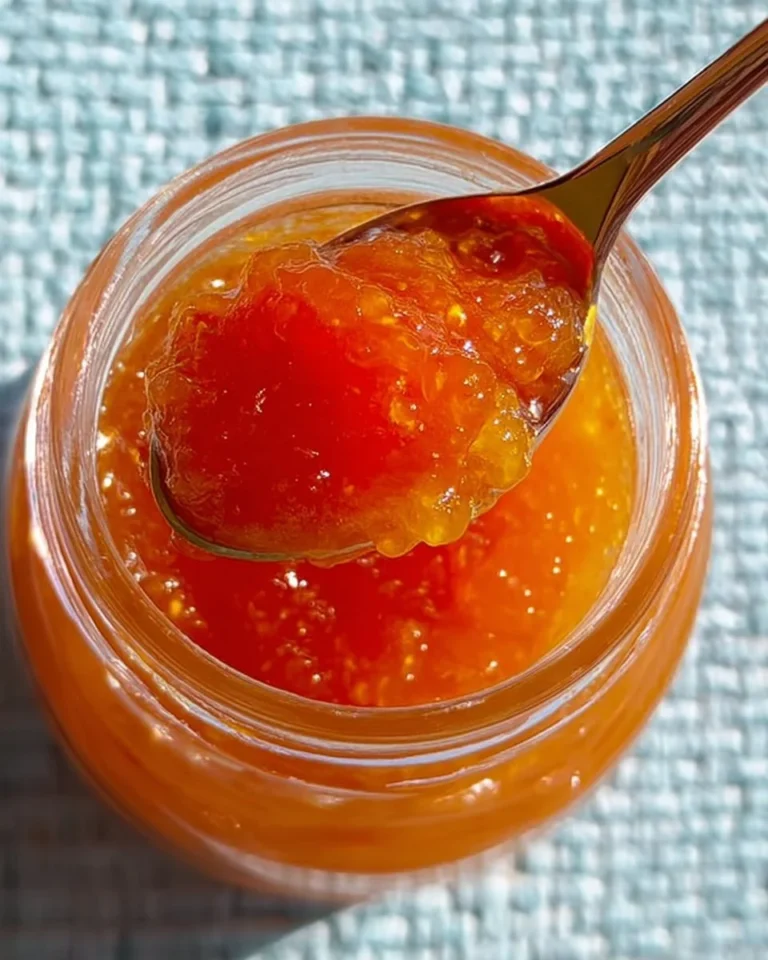
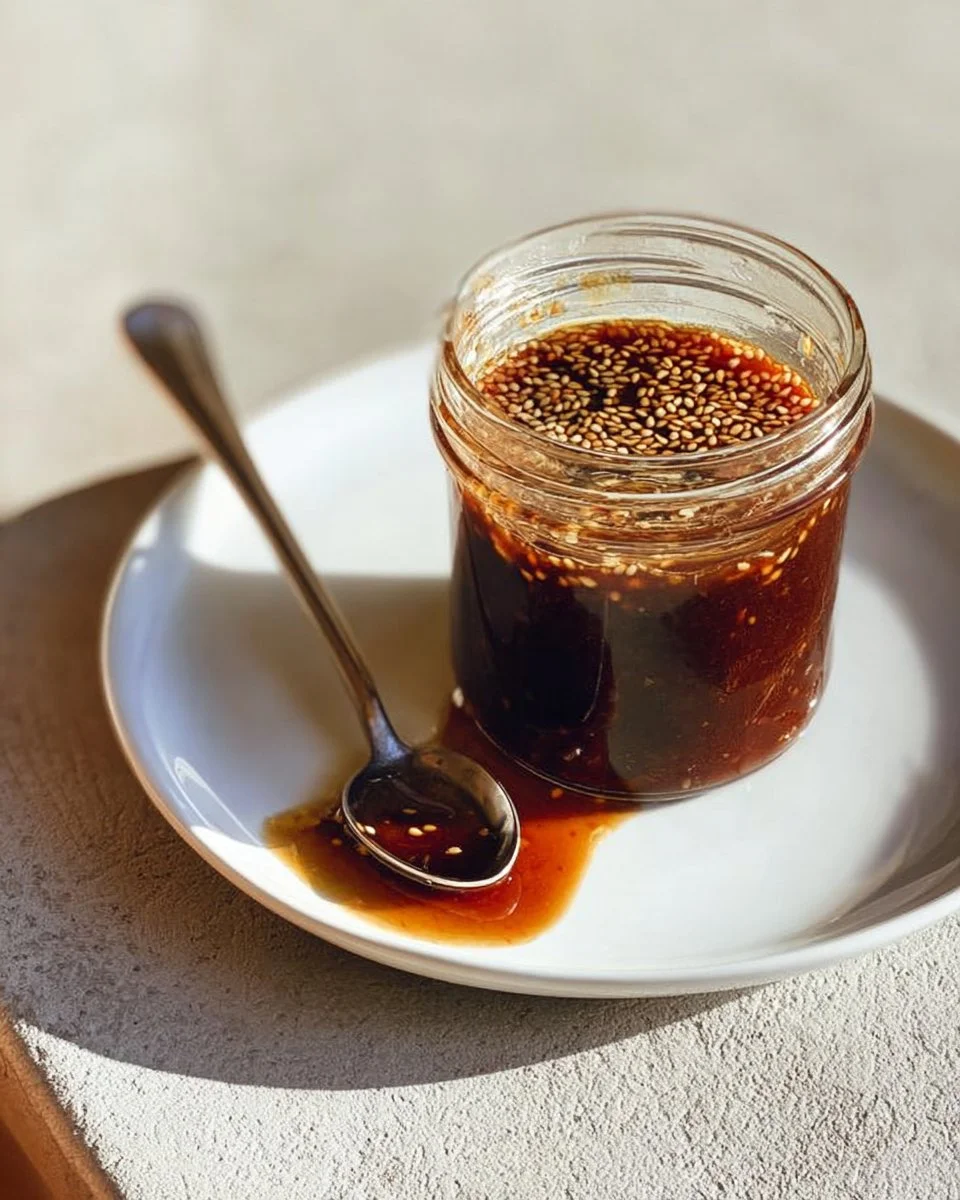
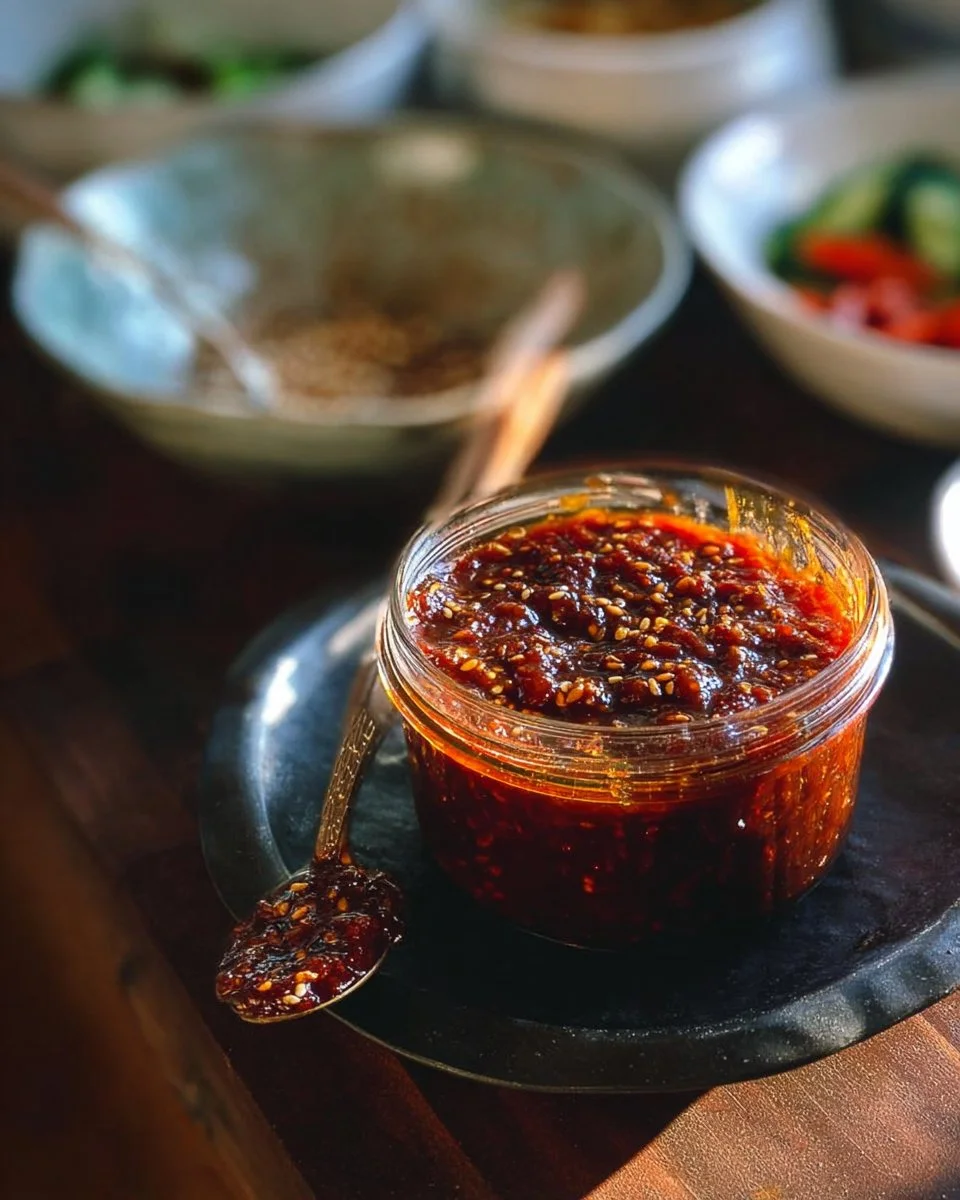
Spicy Korean Bibimbap Sauce is a bold, savory red sauce that lifts any bowl or meal. It blends gochujang, soy sauce, and garlic into a sweet and spicy mix. You can use it as a topping for rice bowls, a dip for vegetables, or a marinade for protein. This sauce is simple to make and keeps well. For a different spicy kick, try it with other Asian dishes like savor the flavor chicken wontons in spicy chili sauce.
This article shows step-by-step how to make this Spicy Korean Bibimbap Sauce and ways to make it a healthy version for meal prep, a lighter option for weight loss, or a gluten free choice for special diets.
WHY YOU WILL LOVE THIS RECIPE
You will love this Spicy Korean Bibimbap Sauce because it is fast, flexible, and full of flavor. It gives a balanced hit of heat and sweet with a nutty sesame aroma. It is great for meal prep and adds big taste to simple meals. This sauce can be a lighter option when you cut sugar or use a low-calorie sweetener. It also fits into a balanced plate with lean protein and lots of vegetables, making it a good choice for people aiming for weight loss or a heart healthy plan.
This sauce pairs well with fish and greens. Try it with a light salmon bowl for a healthy dinner or lunch, similar to ideas found in delicious salmon with basil sauce and tomato salad to savor. The result can be a high protein meal or a diabetic-friendly bowl when you lower the added sugar.
HOW TO MAKE Spicy Korean Bibimbap Sauce
Follow a few simple steps to make this versatile sauce. It comes together in minutes and stores for up to two weeks. Use it to spice up rice bowls, grain bowls, grilled meats, or roasted vegetables.
EQUIPMENT NEEDED
- Small mixing bowl or medium bowl
- Whisk or fork
- Measuring cups and spoons
- Small jar with lid or airtight container for storage
- Spoon or small spatula for scraping the bowl
Ingredients You’ll Need :
1/2 cup gochujang, 2 Tbsp white sugar, 2 Tbsp brown sugar, 2 Tbsp soy sauce, 1 Tbsp rice vinegar, 1 Tbsp minced garlic, 1 tsp sesame oil, 1 tsp sesame seeds
STEP-BY-STEP INSTRUCTIONS :
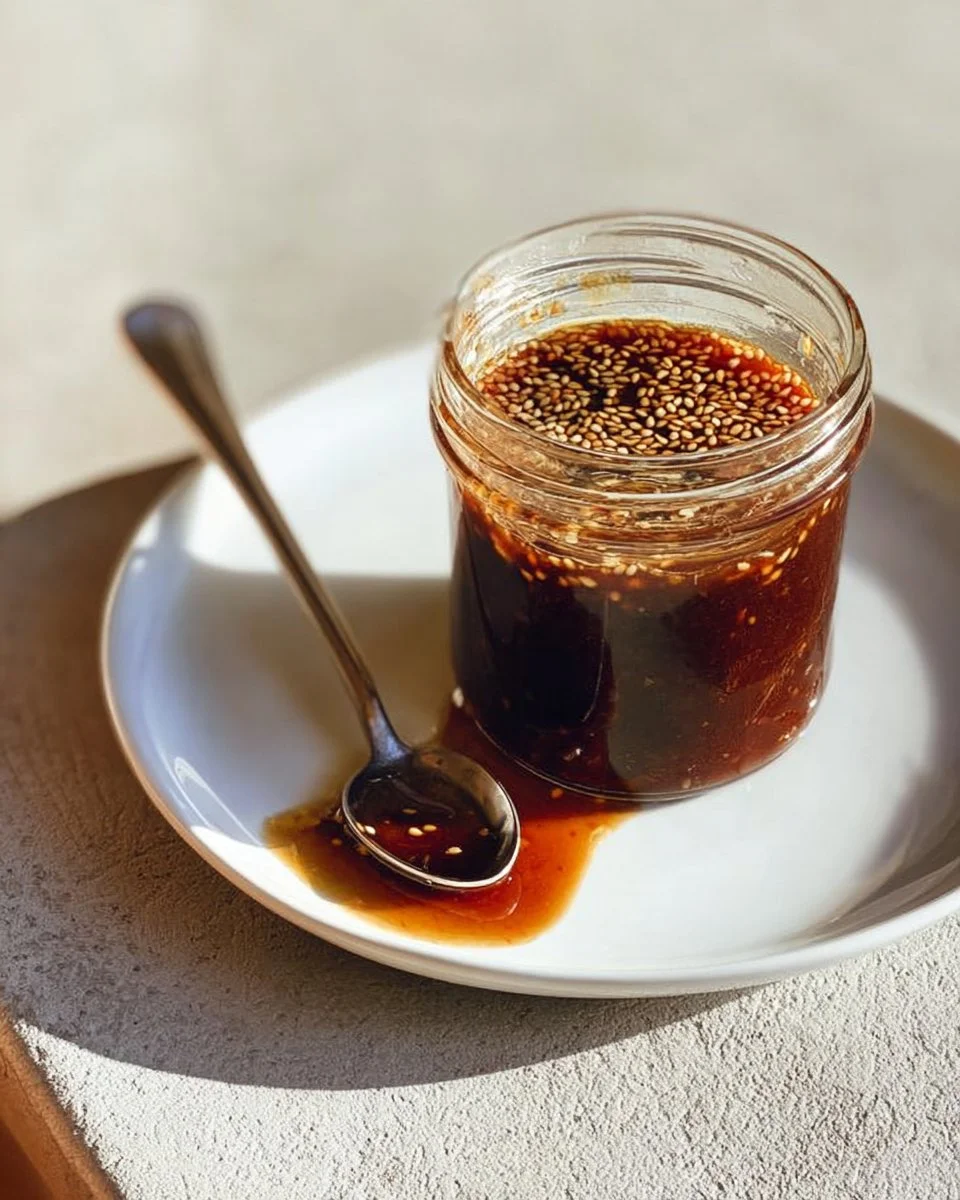
Whisk all the ingredients together for about a minute then pour in to a jar and store covered in the refrigerator for up to 2 weeks.
HOW TO SERVE Spicy Korean Bibimbap Sauce
Serve this sauce over a classic bibimbap bowl with warm rice, sautéed vegetables, and a protein like egg, beef, chicken, or tofu. For a lighter option, use brown rice or cauliflower rice to lower calories and carbs. For a high protein meal, add extra lean chicken, tempeh, or extra egg whites. Keep your portions in check: use 1 to 2 tablespoons of sauce per serving to control sugar and sodium intake.
Healthy serving ideas:
- Drizzle 1 Tbsp over a bowl of mixed greens and grilled chicken.
- Mix 1 Tbsp with plain Greek yogurt to make a creamy, lower-sugar dressing for roasted veggies.
- Toss 1 Tbsp with roasted tofu and steamed broccoli for a high protein, low calorie lunch.
Portion control tips:
- Measure 1 tablespoon at a time to avoid oversaucing.
- Balance the bowl with at least half vegetables, a quarter lean protein, and a quarter whole grain or cauliflower rice.
- If you are watching sugar or are diabetic-friendly, reduce the sauce to 1 teaspoon per bite and mix with low-sugar side flavors like lime, herbs, or sesame seeds.
STORAGE & FREEZING : Spicy Korean Bibimbap Sauce
Store the sauce in a clean jar with a tight lid. It keeps in the fridge for up to 2 weeks. The flavors meld and improve after a day. Do not freeze in most cases, because thawing can change the texture of gochujang-based sauces. If you must freeze, use small portions in an ice cube tray so you can thaw a small amount quickly. Thawed sauce is best used within a month and may be slightly thinner.
Tips for storage safety:
- Use a clean spoon to scoop sauce — do not double-dip.
- Keep the jar cold and sealed when not using.
- Check for off smells or mold; discard if unclear.
SERVING SUGGESTIONS
This sauce works with many healthy sides and balanced meals. Try it with steamed greens, roasted sweet potatoes, or a crunchy cabbage slaw. For a low carb or diabetic-friendly plate, serve it with cauliflower rice and plenty of non-starchy vegetables. To make a full meal, add a lean protein and a fiber-rich side like a mixed bean salad.
Balanced side ideas:
- Steamed spinach and carrots for fiber and vitamins.
- Quinoa or brown rice for whole grain fiber when you need energy.
- A simple cucumber salad for a cool, low calorie contrast.
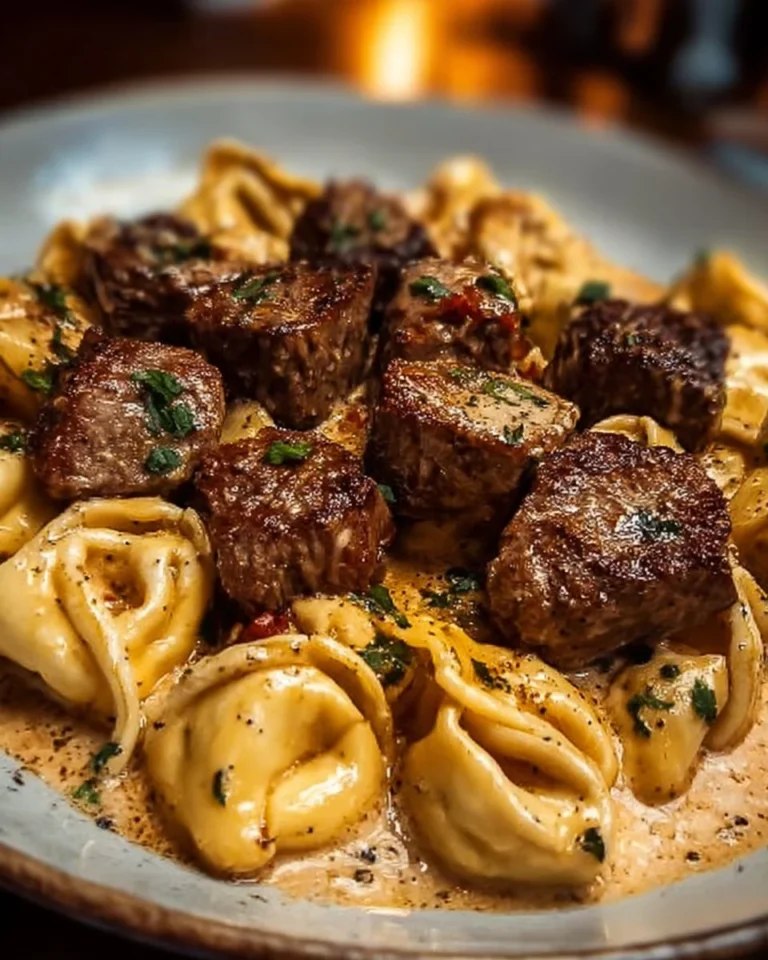
For different meal types, pair with other recipes such as noodles or steak sides when you want a heartier meal. You might enjoy this sauce alongside a rich pasta or steak dinner like cracked garlic steak tortellini in creamhouse sauce bliss, using the sauce as a spicy condiment rather than the main sauce.
VARIATIONS
-
Healthier version: Use a reduced-sugar gochujang or cut both sugars to 1 Tbsp each. Swap soy sauce for low-sodium tamari to make the sauce gluten free and cut sodium. Use a sugar-free sweetener like erythritol or stevia if you are seeking a low calorie or diabetic-friendly choice. This yields a lighter option that still has great flavor.
-
High-protein or low-carb version: Make the sauce the same but serve it over cauliflower rice and double up on protein — grilled chicken breast, baked salmon, or pan-seared tofu. The sauce adds flavor without many extra calories when used sparingly. For a true high protein meal, pair with edamame, tempeh, or lean pork. This keeps the plate low carb and high protein while still being satisfying.
-
Air fryer or oven-baked version: Use the sauce as a glaze for air fryer vegetables or protein. Toss broccoli, mushrooms, or brussels sprouts in 1 Tbsp of sauce and roast in the air fryer for a crunchy, spicy side. For chicken thighs or tofu, brush the sauce on near the end of cooking to caramelize without burning. This works well as a meal prep trick to make roasted veggies that reheat well.
Other fun twists:
- Add roasted sesame for a nuttier flavor.
- Mix with a little honey and lime for a tangy glaze.
- Stir into mayonnaise for a creamy spicy sandwich spread.
FAQs
Q: Is this sauce suitable for a diabetic-friendly diet?
A: You can make it diabetic-friendly by cutting the white and brown sugars or replacing them with a low-calorie sweetener. Use small portions and pair the sauce with high fiber vegetables and lean protein to lower the meal’s glycemic impact.
Q: Can I make this sauce gluten free?
A: Yes. Use tamari or a certified gluten free soy sauce and check the gochujang label. Some brands use wheat, so choose a gluten free gochujang or make a homemade gochujang-style paste with chili paste, miso, and a sweetener.
Q: How long does it last in the fridge?
A: Store covered in the fridge for up to 2 weeks. Use a clean spoon each time. If the smell or color changes, discard it.
Q: Is this sauce low calorie or good for weight loss?
A: The sauce contains sugar, so it is not zero calories. But used in small amounts and with lots of vegetables and lean protein, it can be part of a low calorie plan and is good for weight loss when you control portions.
Q: Can I freeze the sauce?
A: Freezing is not ideal because texture can change. If you freeze, use small portions and thaw in the fridge. Use thawed sauce within a month and expect slight separation; whisk before use.
Q: Is this sauce healthy and heart friendly?
A: It can be heart healthy when you use low-sodium soy sauce, lower sugar, and pair the sauce with vegetables, whole grains, and lean proteins. Keep portions small to manage sodium and sugar intake.
MAKE-AHEAD TIPS FOR Spicy Korean Bibimbap Sauce
- Make the sauce up to 2 weeks ahead and store in the fridge. It gets more complex in flavor over time, so this is great for meal prep.
- Portion the sauce into small jars or squeeze bottles for quick use at lunch or dinner. This helps control portions and makes it great for a high protein meal bowl assembly line.
- Prep vegetables and proteins separately. Roast a batch of air fryer vegetables and cook a batch of lean protein to pair with the sauce for several days of easy meals. This saves time and supports a consistent healthy plan.
This Spicy Korean Bibimbap Sauce is a bright, flavorful addition to many meals. With small changes you can make it a lighter option, a diabetic-friendly choice, or part of a high protein bowl. Use it for quick meal prep to add big flavor to a healthy plate.
Spicy Korean Bibimbap Sauce
Ingredients
Method
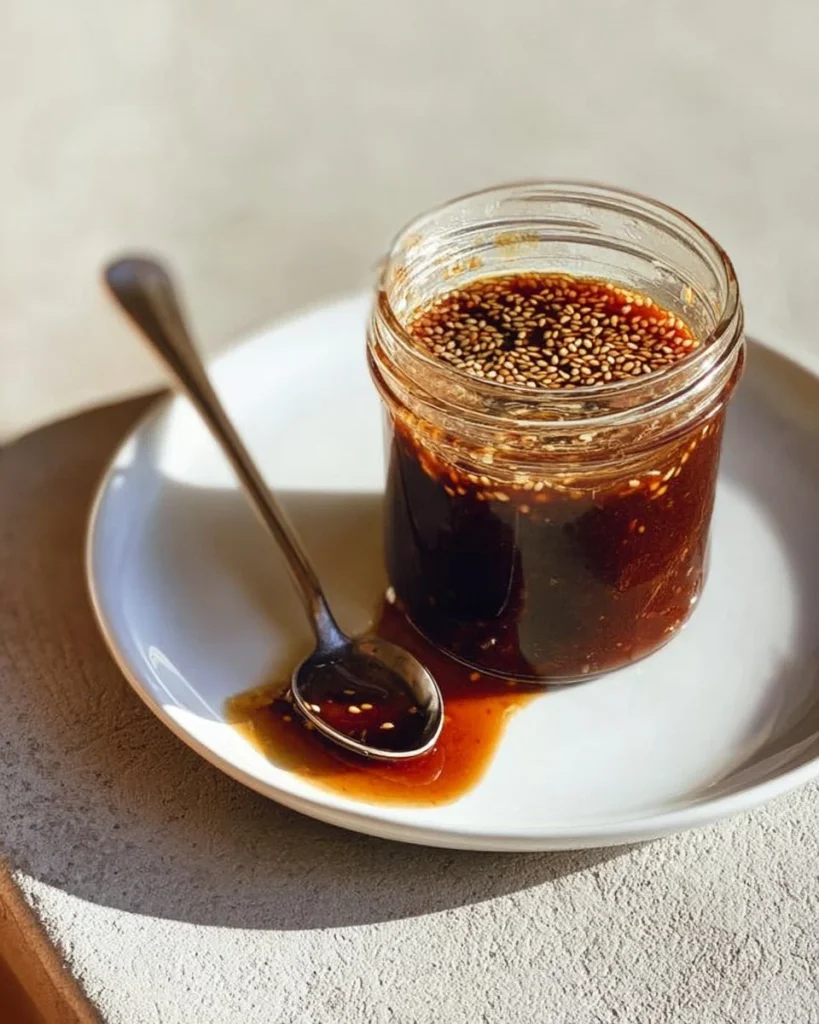
- Whisk all the ingredients together for about a minute.
- Pour into a jar and store covered in the refrigerator for up to 2 weeks.